Large Call to Action Headline
CLINICAL CUPPING THERAPY MASTERY
A HYBRID CLINICAL TRAINING PROGRAM
.webp)
Learn Clinical Cupping Therapy with the flexibility of online learning and the confidence of guided practical training.
A structured program for eligible healthcare professionals who want to understand cupping therapy, learn different techniques - including Fire Cupping - and develop a safe, responsible approach to clinical application.
LEARN | UNDERSTAND | PRACTISE | APPLY
Dry Cupping | Wet Cupping | Hijamah | Fire Cupping | Clinical Applications | Safety & Patient Care
RECORDED LESSONS
Flexible, self-paced theory and demonstrations
LIVE CLASSES
Interactive guidance, questions and case discussions
HANDS-ON WORKSHOPS
Supervised technique practice and clinical skill development
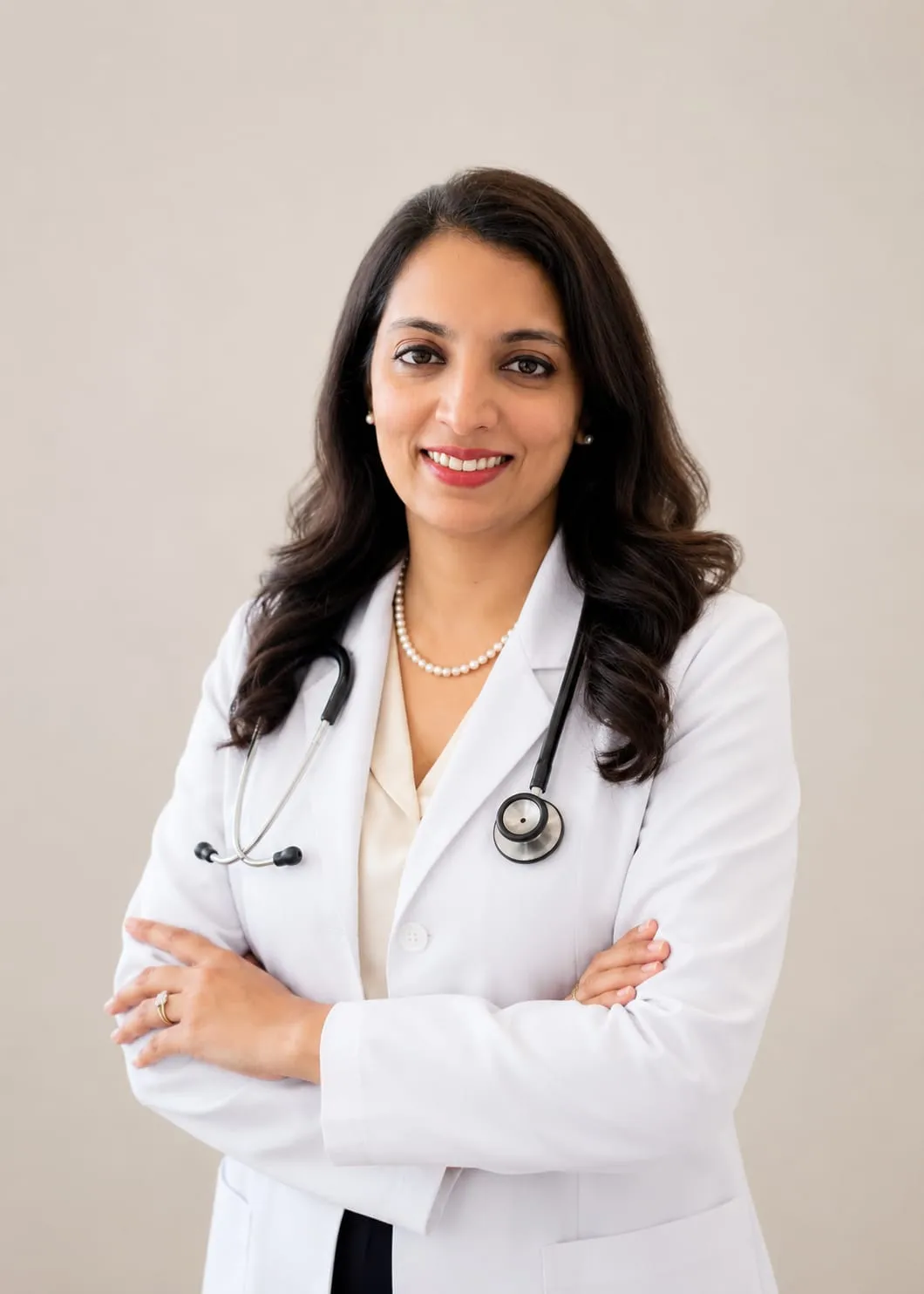
Dr. Seema Malik
Ayurvedic Physician | Cupping Therapy Expert | Clinical Trainer
20+ Years of Clinical Experience
.webp)
LEARN FROM DR. SEEMA MALIK
.webp)
The webinar will be in English
.webp)
DATE
{%webinar.date%}
.webp)
TIME
{%webinar.time%}
.webp)
DURATION
1 hr 16 minutes

Zoom link
Live
GO BEYOND JUST LEARNING HOW TO PLACE A CUP
Cupping therapy is more than a technique. Clinical confidence comes from understanding the patient, the purpose and the safest appropriate method.
Learn to understand:
- When cupping may be considered
- Why a particular technique may be selected
- Where cups may be applied
- How to approach each procedure safely
- Patient assessment and preparation
- Indications, contraindications and precautions
- Hygiene, sterilisation and aftercare
- Clinical documentation and patient response
The program bridges the gap between watching a technique and developing a responsible, clinically reasoned approach through online learning, interaction and supervised practical exposure.
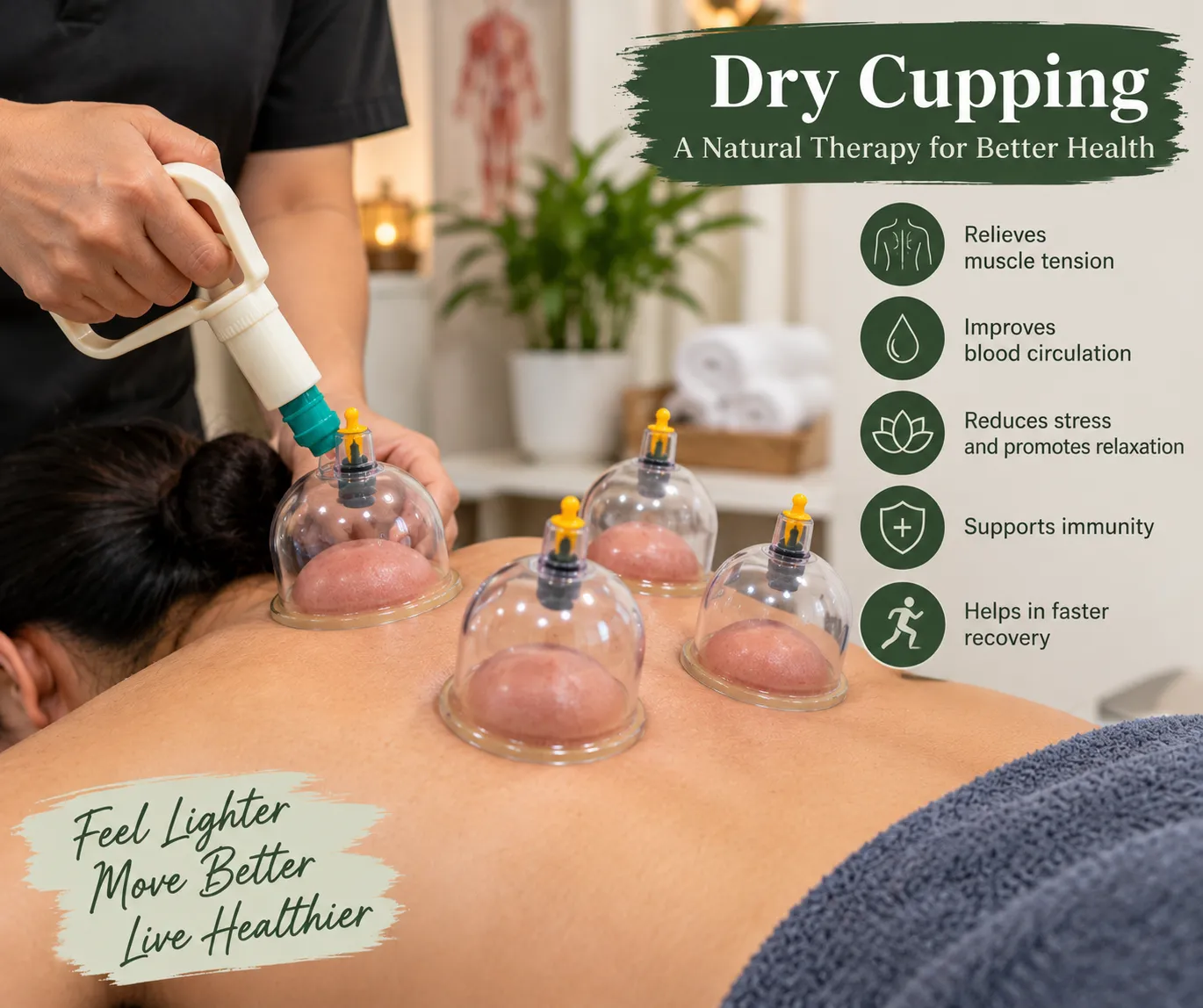
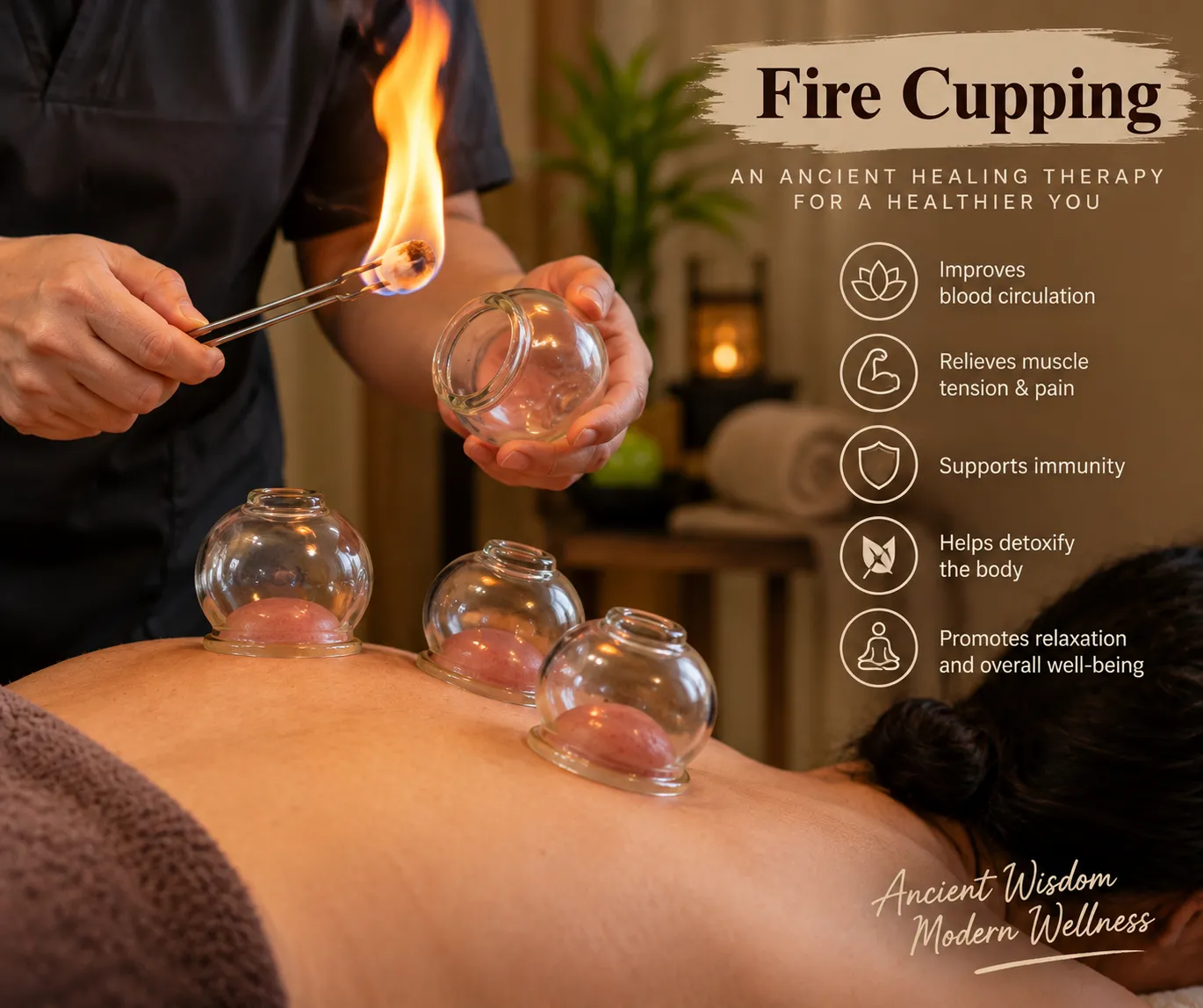
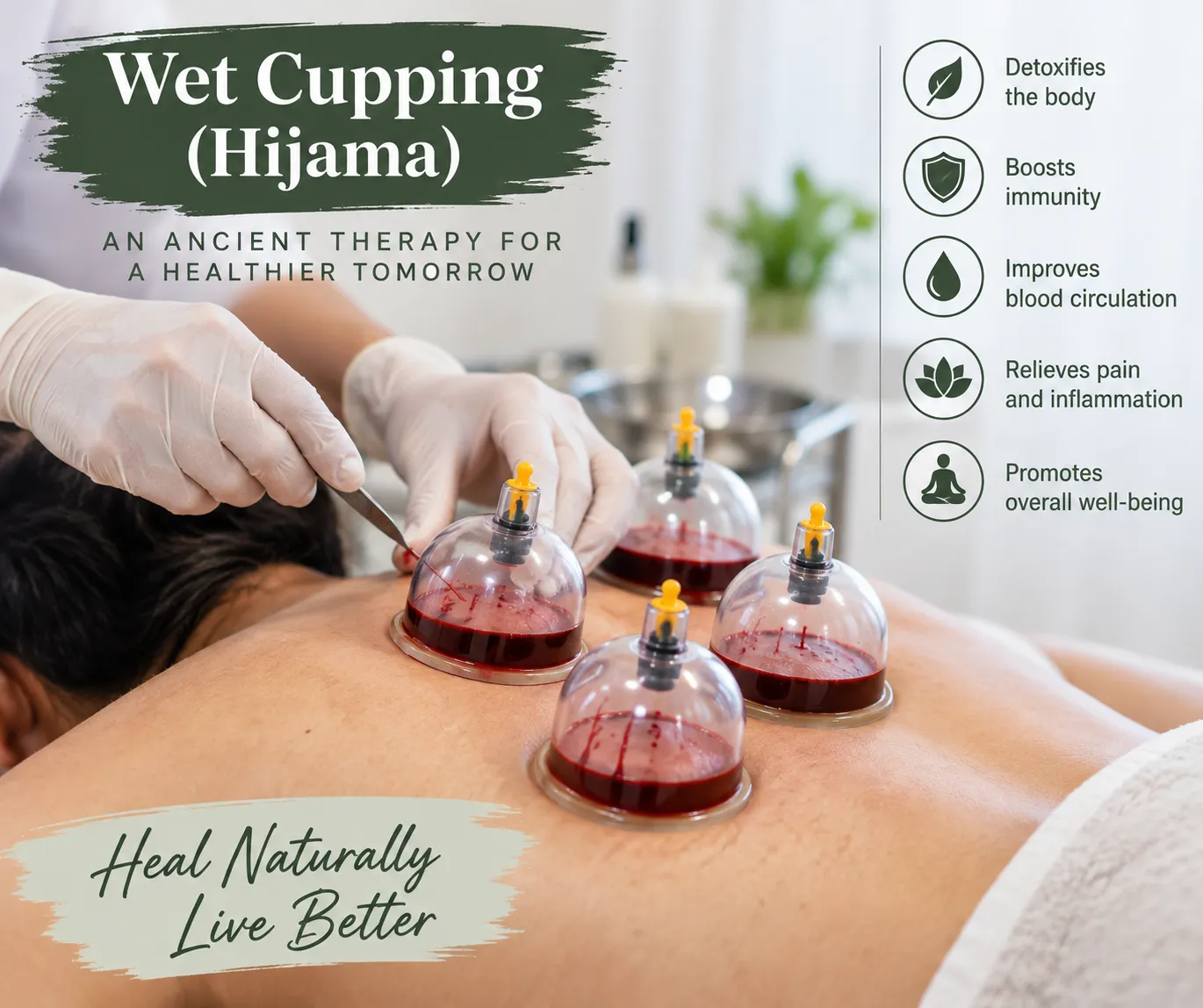
Cupping therapy is more than a technique. Clinical confidence comes from understanding the patient, the purpose and the safest appropriate method.
THE HYBRID ADVANTAGE

1. LEARN
Build your theoretical foundation through structured recorded lessons.

2. CLARIFY
Join live sessions for guidance, questions and clinical case discussions.

3. PRACTISE
Attend hands-on workshops to observe and practise techniques under supervision.
What Will You Exactly Learn in This Workshop?
FUNDAMENTALS
-Introduction, history and principles of cupping - Therapeutic effects and types of cupping - Cups, equipment and cupping points - Dry cupping, wet cupping, Hijamah and Fire Cupping
PATIENT & CLINICAL SAFETY
- Patient assessment, preparation and consent - Indications, contraindications and precautions - Hygiene, infection control and sterilisation - Aftercare, documentation and monitoring patient response
FIRE CUPPING
- Principles and clinical rationale of Fire Cupping - Equipment and treatment trolley setup - Safe flame handling and fire-risk precautions - Cup application, suction control and removal - Static, Moving and Flash Fire Cupping - Patient positioning, skin observation and mark interpretation - Contraindications, aftercare and management of adverse events - Step-by-step demonstration with guided hands-on practice
WET CUPPING
- Principles and clinical rationale of Wet Cupping - Equipment, sterile supplies and treatment trolley setup - Patient assessment, preparation, consent and site selection - Skin preparation, superficial incision technique and cup application - Suction control, blood flow observation and safe cup removal - Infection-control precautions, sharps handling and biomedical waste disposal - Contraindications, aftercare and management of adverse events - Step-by-step demonstration with guided hands-on practice
OTHER CUPPING TECHNIQUES
Dry | Wet | Hijamah | Static | Moving | Flash Cupping
CLINICAL APPLICATION
Explore how cupping may be considered as a complementary approach for selected presentations such as muscular tension, neck and shoulder discomfort, back discomfort, joint stiffness, sports-related muscular tension, tension-type headaches, stress-related physical tension, recovery and wellbeing support. All applications must follow professional judgement, patient assessment, applicable regulations and the learner's scope of practice.
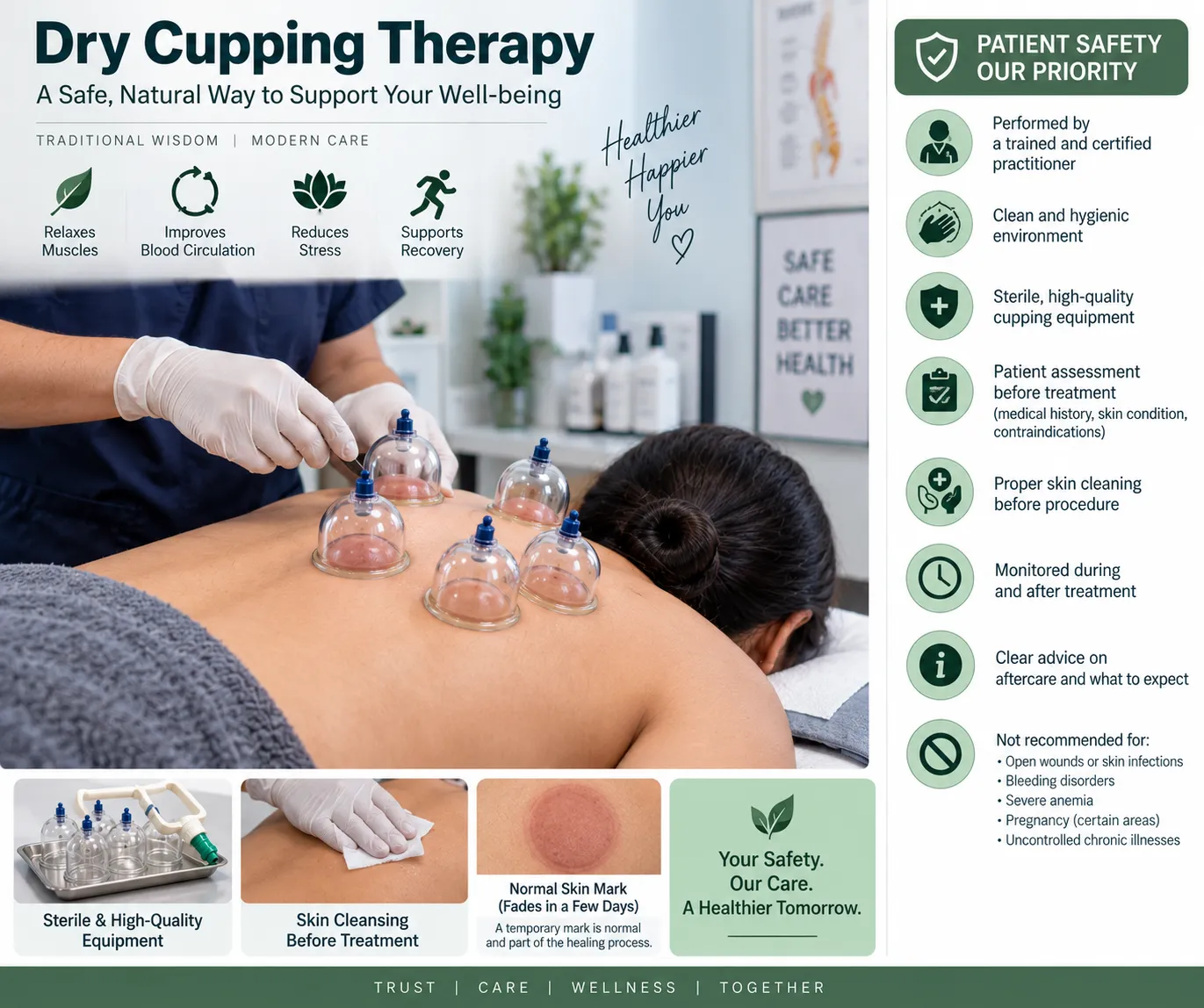
LEARN THROUGH A HYBRID FORMAT
Combine flexible digital learning with expert interaction and practical skill development.
PATIENT & CLINICAL SAFETY
- Structured theory lessons - Step-by-step presentations and technique demonstrations - Pause, replay and revise at your own pace - Build your foundation before practical sessions
WEEKLY LIVE CLASSES
- Direct guidance from the trainer - Question-and-answer sessions - Clinical case discussions - Assessment and technique-selection reasoning
MONTHLY HANDS-ON WORKSHOPS
- Demonstration of clinical setup and procedures - Guided practical training, including Fire Cupping - Patient positioning, cup handling and safety practice - Feedback to improve confidence and technique
WHO IS THIS PROGRAM FOR?
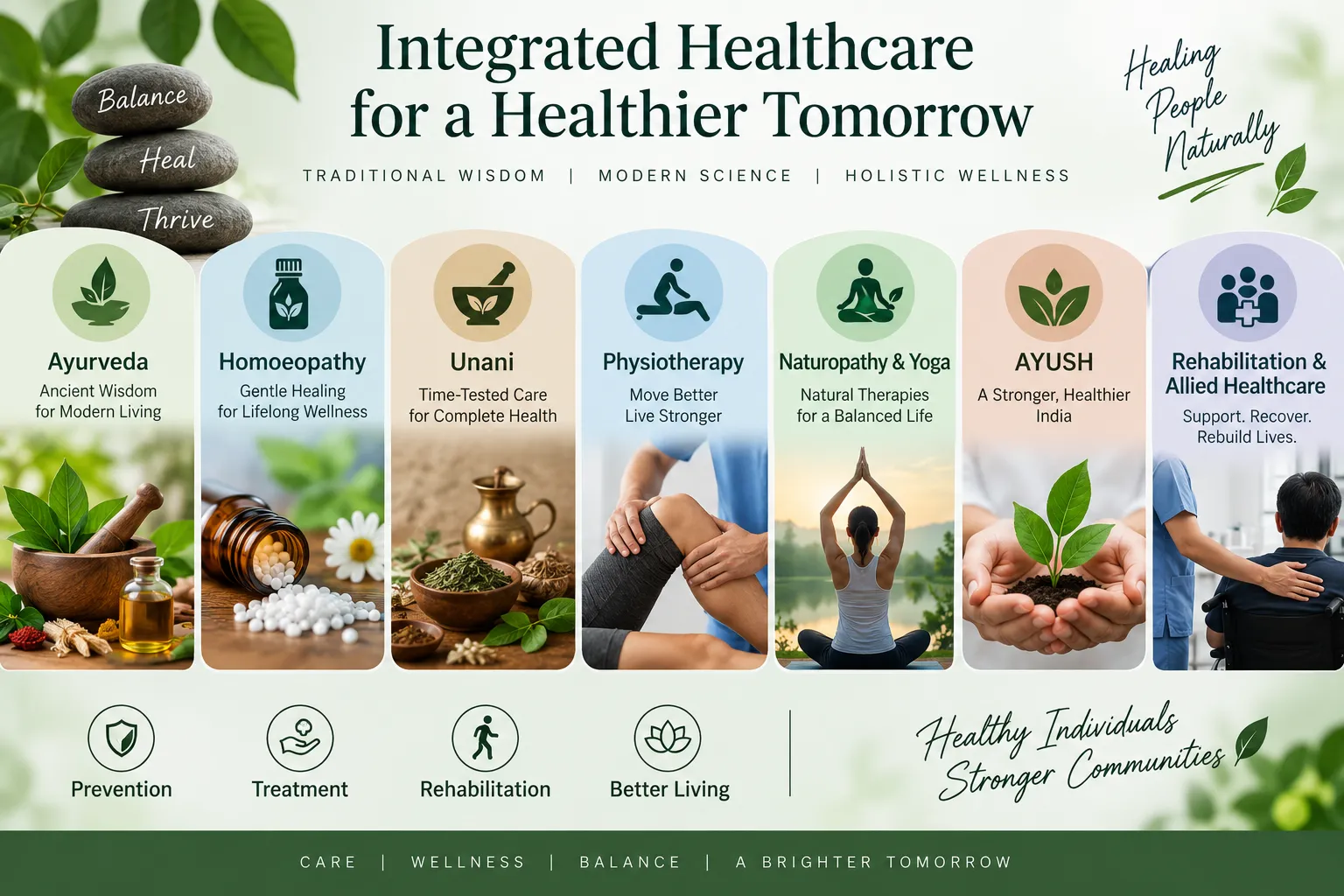
Designed for eligible healthcare professionals who want to add Clinical Cupping Therapy to their professional skill set.
Ayurveda | Homoeopathy | Unani | Physiotherapy | Naturopathy & Yoga | AYUSH | Rehabilitation & Allied Healthcare
Participation in practical application remains subject to eligibility, local regulations and professional scope of practice.
Meet your COACH

Dr. Seema Malik
20+ YEARS OF CLINICAL EXPERIENCE
Learn from Dr. Seema Malik, Ayurvedic Physician, Cupping Therapy Expert and Clinical Trainer. Her approach brings together clinical experience, technique understanding, safety and structured learning to help healthcare professionals build knowledge and confidence.



WHAT MAKES THIS PROGRAM DIFFERENT?
NOT JUST 'HOW TO CUP'

UNDERSTAND
Principles, patient selection and different types of cupping.
LEARN
Techniques, safety protocols and clinical reasoning.
3. PRACTISE
Guided hands-on sessions, including Fire Cupping skills.

APPLY RESPONSIBLY
Use professional judgement within your lawful scope of practice.
FOUNDATION -> TECHNIQUE -> PRACTICE -> CLINICAL APPLICATION
START YOUR CLINICAL CUPPING JOURNEY TODAY
Build your knowledge and practical confidence through a structured hybrid program designed around clinical understanding, safe technique and responsible application.
- Learn from an experienced clinical trainer - Study recorded lessons at your own pace - Interact through weekly live classes - Develop practical skills in monthly hands-on workshops - Learn Fire Cupping with dedicated safety guidance - Build a valuable professional skill
Educational disclaimer
This educational program does not replace diagnosis, emergency care or medically indicated treatment. Practical application should be based on professional judgement, patient assessment, informed consent, applicable regulations and scope of practice. Attendance does not itself confer a licence to practise where separate authorisation is required.